
04 Luglio 2025 Athens Exhibition Says the Revolution Could Begin on Your Plate | 04 Giugno 2025 Artforum, "Diana Anselmo" | 16 Aprile 2025 Frieze, "Must-See: The Tears of Karl Lagerfeld" | 16 Aprile 2025 Süddeutsche Zeitung Magazin, "Mit welcher Haltung kommt man in der Kunstwelt am weitesten, Maurizio Cattelan?" | 09 Aprile 2025 The Berliner, "Consider Listening: An exhibition urging calm amidst outrage" | 02 Aprile 2025 Wallpaper, "Aboard Gio Ponti's colourful Arlecchino train in Milan, a conversation about design with Formafantasma" | 26 Marzo 2025 Frieze, "Diego Marcon’s Films Conjure a Familiar, Grotesque World" | 19 Marzo 2025 Arts Hub, "1500-degree molten steel installation, inspired by Caravaggio, to drip from the ceiling of Mona" | 15 Maggio 2024 Frieze, "Silvia Rosi Gives Voice to Her Parents’ Migration Story" | 30 Marzo 2024 The Korea Times, "Foreigners Everywhere: Artist duo who inspired this year's Venice Biennale lands in Seoul" | 07 Febbraio 2024 Artnet News, "Ceramics Are as Contemporary as a Smartphone: Chiara Camoni on Her Tactile Sculptures"
Quanto
è (ri)conosciuta
all’estero
l’arte
contemporanea
italiana?
mostre
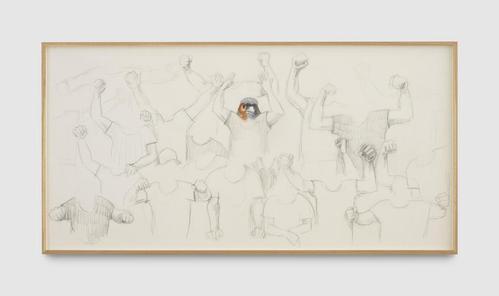 Ruth Beraha: il calcio come spazio di appartenenza e identità
Mostra28 Agosto 2026
Ruth Beraha: il calcio come spazio di appartenenza e identità
Mostra28 Agosto 2026
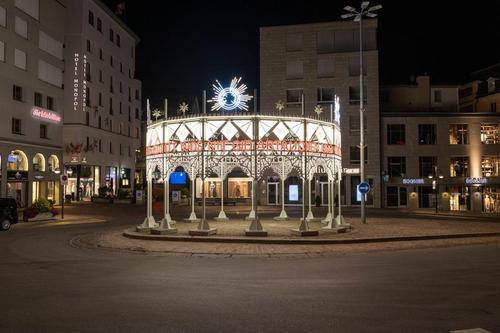 Marinella Senatore porta la luce dell’arte contemporanea a St. Moritz
Mostra21 Agosto 2026
Marinella Senatore porta la luce dell’arte contemporanea a St. Moritz
Mostra21 Agosto 2026
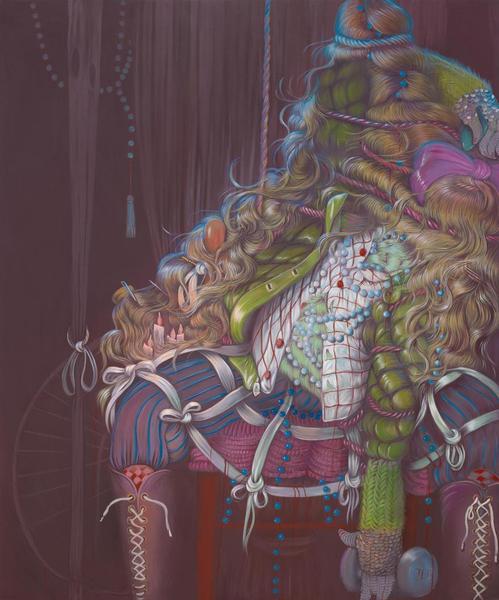 Il debutto di Bea Scaccia da Gagosian a New York
Mostra15 Luglio 2026
Il debutto di Bea Scaccia da Gagosian a New York
Mostra15 Luglio 2026
 Elisa Giardina Papa all'ICA di Londra
interviste
scopri di più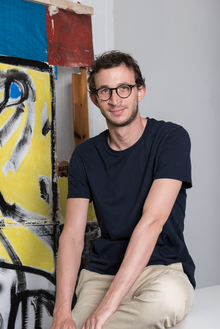 Matthew Noble
: «Il mercato non basta, è il tempo che costruisce un artista»
Artisti
07 Giugno 2026
Matthew Noble
Matthew Noble: «Il mercato non basta, è il tempo che costruisce un artista»
Artisti
07 Giugno 2026
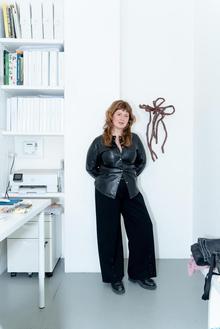 Virigina Russolo
Virginia Russolo: una formazione internazionale tra arte, antropologia e ritualità
Artisti
13 Aprile 2026
Virigina Russolo
Virginia Russolo: una formazione internazionale tra arte, antropologia e ritualità
Artisti
13 Aprile 2026
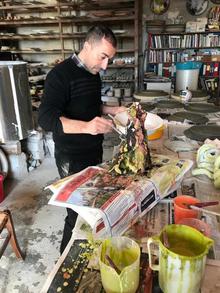 Salvatore Arancio
. Una pratica tra scienza e finzione, costruita all’estero
Galleristi
23 Marzo 2026
Salvatore Arancio
Salvatore Arancio. Una pratica tra scienza e finzione, costruita all’estero
Galleristi
23 Marzo 2026
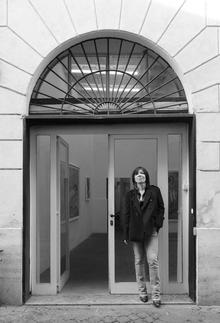 Carla Chiarchiaro
La scarsa percezione del valore culturale generato dalle gallerie è un limite
Carla Chiarchiaro
La scarsa percezione del valore culturale generato dalle gallerie è un limite
artisti


sostegni pubblici
approfondisciSostegni pubblici
L’Italian Council è un programma promosso dal Ministero della Cultura, tramite la Direzione Generale Creatività Contemporanea, con l’obiettivo di sostenere e valorizzare la creatività italiana contemporanea a livello internazionale. Attivo dal 2017, il programma ha ampliato progressivamente i suoi ambiti d’intervento, includendo la produzione di nuove opere, la promozione internazionale, le residenze artistiche e i progetti editoriali. Dal 2020 sostiene anche curatori italiani coinvolti in mostre all’estero, rafforzando il dialogo con le istituzioni culturali globali. L’iniziativa si articola in tre principali aree: incremento delle collezioni pubbliche, promozione internazionale e sviluppo dei talenti. Con finanziamenti fino all’80% dei costi progettuali, l’Italian Council rappresenta oggi un punto di riferimento per artisti, curatori e critici italiani impegnati nel panorama culturale contemporaneo.
© La riproduzione dei contenuti è riservata
approfondimenti fiscali
La Fiscalità nella circolazione
di opere d’arte
Il mercato dell’arte si configura non solo come un ambito culturale e professionale per artisti e curatori, ma anche come un settore economico di rilievo, capace di attrarre l’interesse di investitori, collezionisti, istituzioni e professionisti. La regolamentazione fiscale e normativa che ne disciplina le dinamiche risulta tuttavia eterogenea a livello internazionale, con significative differenze da un ordinamento all’altro. In questo contesto, un’analisi comparativa si rivela essenziale per cogliere le opportunità e affrontare le criticità che caratterizzano le operazioni transfrontaliere nel mondo dell’arte.
Nel tentativo di offrire una panoramica organica, sono stati presi in esame alcuni tra i Paesi più rilevanti – sia europei che extraeuropei – per comprendere come differenti sistemi giuridico-fiscali si rapportino alla circolazione, alla detenzione e alla trasmissione delle opere d’arte.
Sezione a cura dello Studio Lombard DCA
© La riproduzione dei contenuti è riservata
approfondimenti normativi
approfondisciL'arte oltre i suoi confini
La circolazione internazionale delle opere d’arte è una costante della storia. Ciò che è mutato nel tempo è il valore che le comunità hanno attribuito a tali beni, a lungo considerati unicamente in virtù del loro pregio estetico e come strumento di manifestazione del potere, quest’ultimo assiduo (e interessato) committente. A partire dal XIX secolo, le opere d’arte hanno progressivamente acquisito un valore identitario, divenendo elementi attorno ai quali le collettività si riconoscono e si aggregano. Oggi il “bene culturale” è definito, in senso ampio, come “testimonianza avente valore di civiltà” (Commissione Franceschini, 1964). L’oggetto materiale che ne costituisce il supporto va dunque considerato non solo nella sua fisicità, ma quale veicolo di un valore immateriale - artistico, storico, archeologico, archivistico, e così via - che ne determina la rilevanza culturale e sociale (nonché l’esigenza di tutela specifica). In virtù di ciò, il Trattato sul Funzionamento dell'Unione Europea, pur sancendo il principio della libera circolazione delle merci nel mercato interno (artt. 34 e 35), consente agli Stati membri di imporre restrizioni e divieti al commercio per motivi di protezione del patrimonio artistico, storico o archeologico nazionale (art. 36).
Sezione a cura di CBM & Partners
© La riproduzione dei contenuti è riservata